
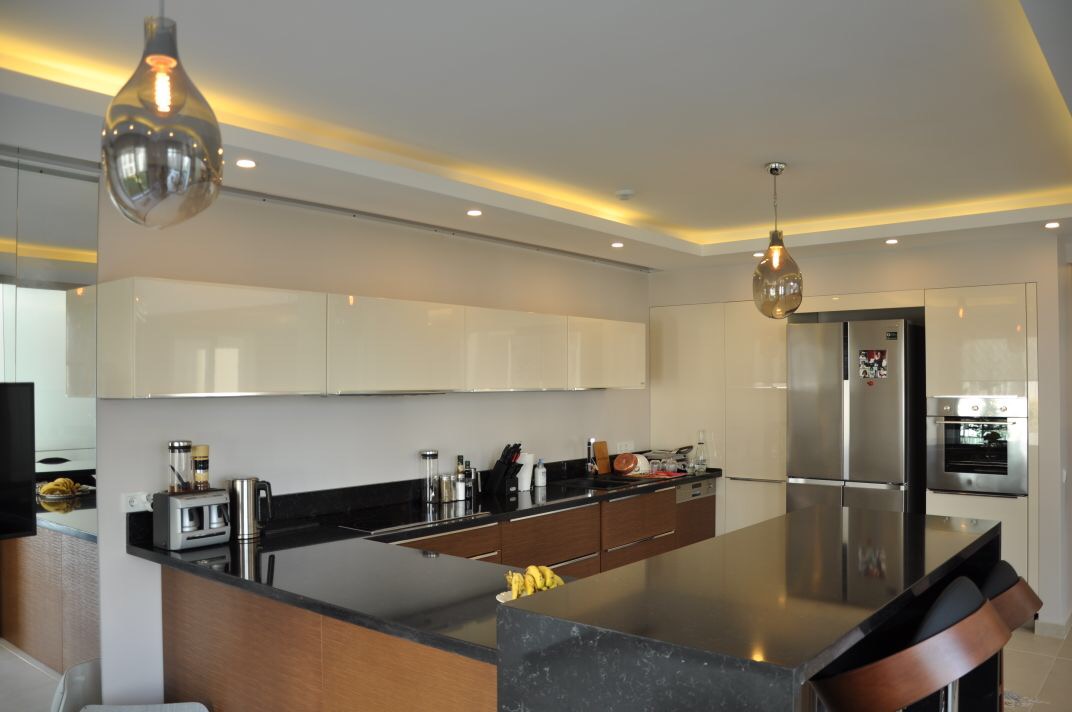
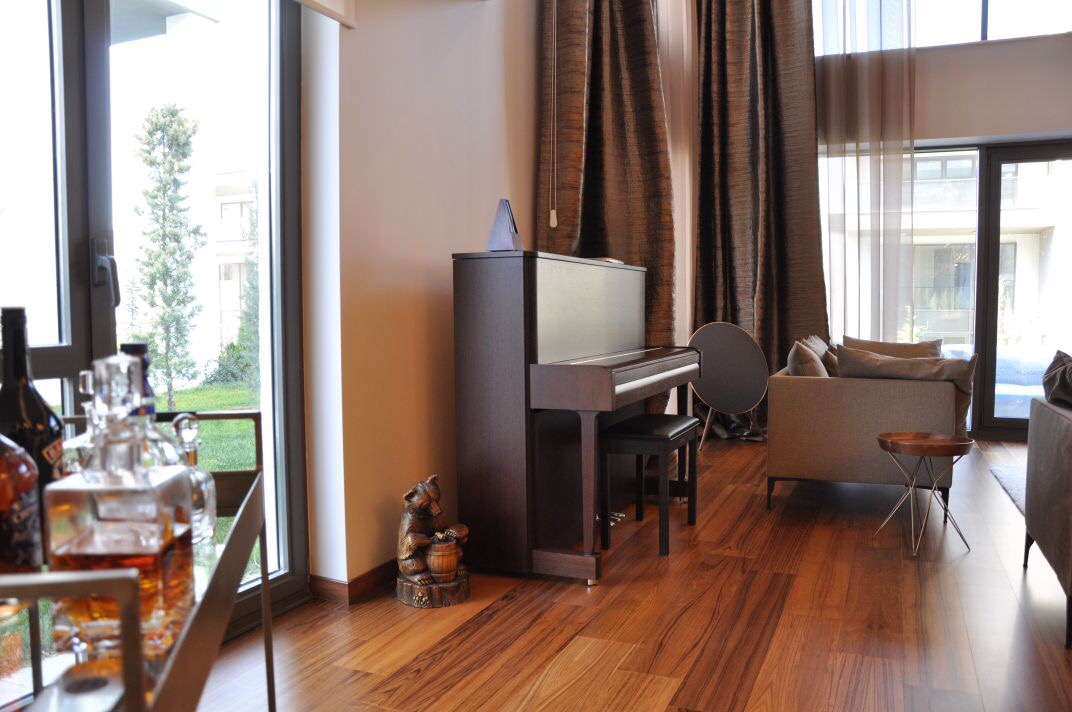
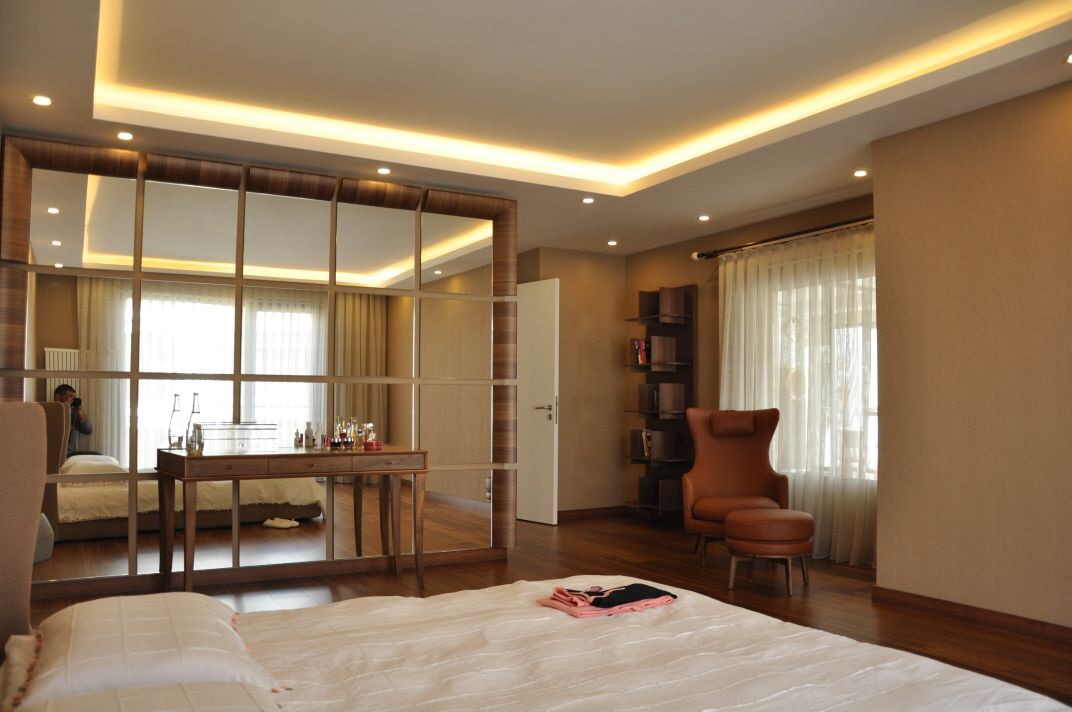
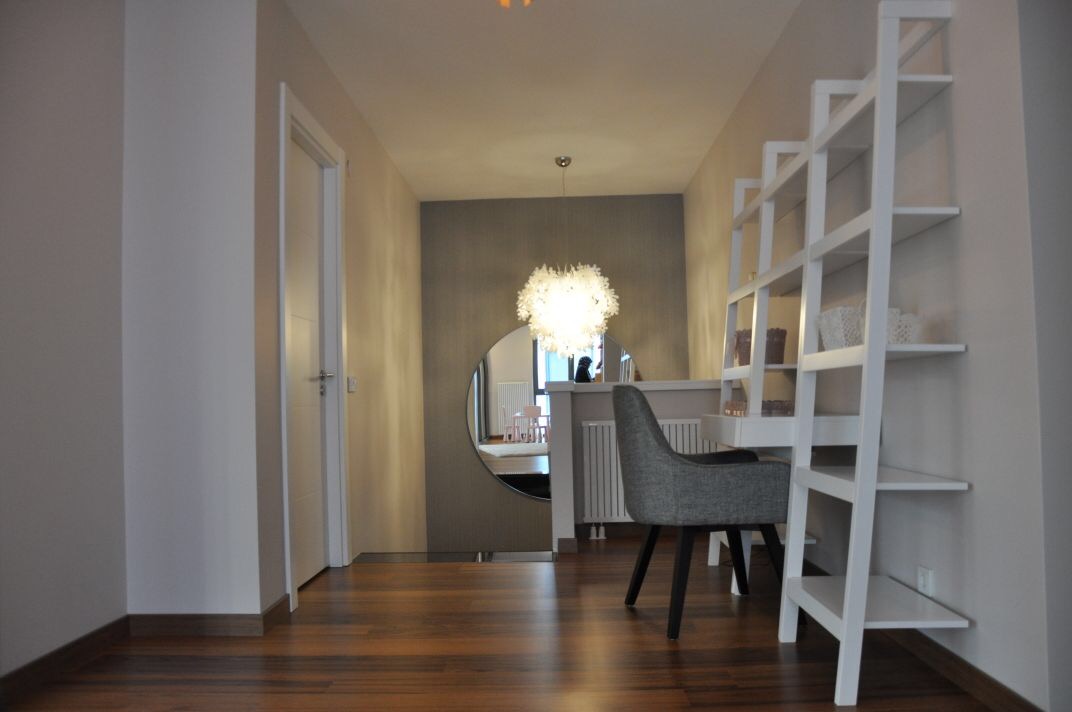


This study investigates the effectiveness of artificial intelligence (AI)-assisted generation tools in conveying emotions within interior environments. Using MidJourney, 28 images of hotel lobbies were generated to represent six basic emotions (happiness, sadness, fear, anger, surprise, disgust) and a neutral state. Each image was evaluated through an online survey designed to measure participants' instinctive and behavioral responses, independent of personal associations. Participants were asked to select the emotion that best matched each image. Findings revealed that happiness, fear, and surprise were mostly identified as intended, while emotions such as anger and disgust were underrepresented. Participant feedback emphasized that spatial cues like lighting, color, openness, and materiality significantly influenced emotional perception. These results suggest that AI-generated visuals hold promising potential for evoking specific emotional responses in interior design, though some emotional targets remain challenging to achieve. The study provides a foundation for future research in design education, emotion-driven design, and the integration of AI into creative practice.
KEYWORDS: Artificial intelligence-assisted design , emotional spatial perception , relationship between interior spaces and emotions , MidJourney , visualization